Bianca Patterson · 2 September 2026
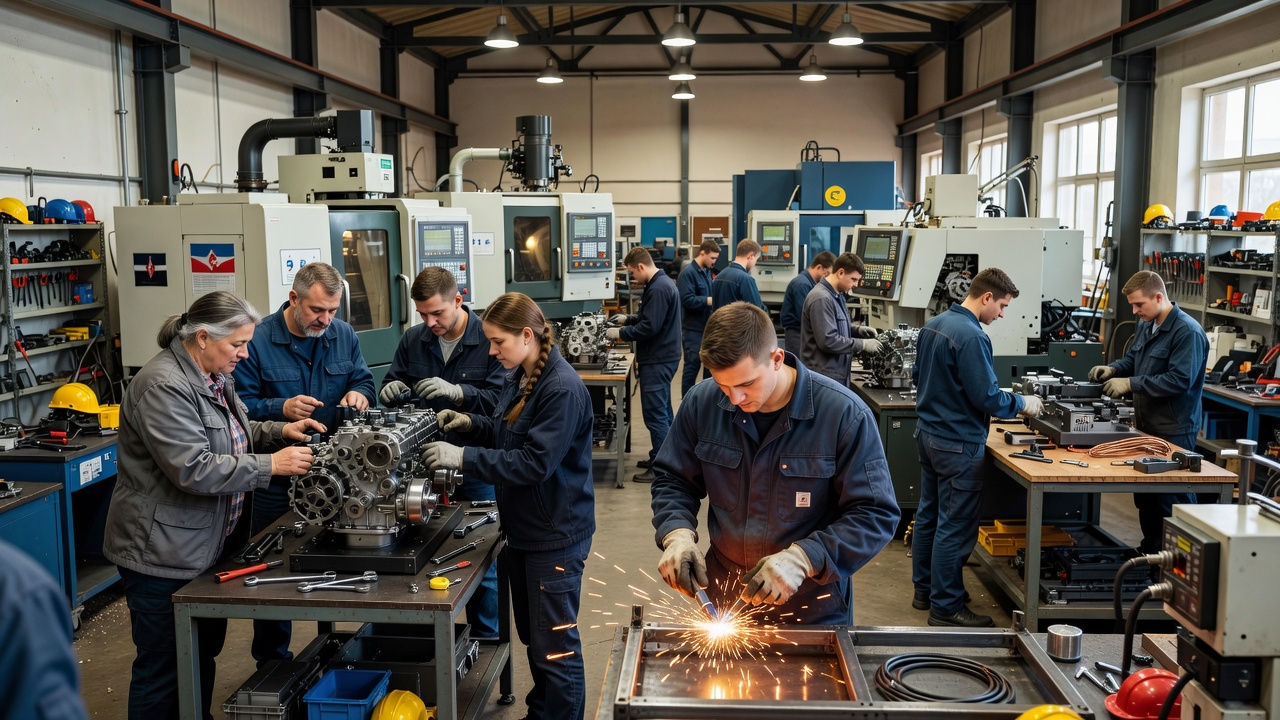
The Polish government has announced a substantial increase in funding for vocational training programs, allocating 520 million euros over the next three years to expand access and modernize curricula. This initiative targets critical skill gaps in manufacturing, renewable energy, healthcare support, and digital technologies. Officials state the investment will support an additional 45,000 student placements annually while upgrading equipment at 180 technical schools nationwide.
Allocation and Program Priorities
Of the total sum, 60 percent will finance new apprenticeship partnerships with private companies, ensuring trainees gain hands-on experience aligned with current labor market demands. The remaining funds will cover instructor training, digital learning platforms, and certification upgrades recognized across the European Union. Priority sectors include automation engineering and elder care assistance, where vacancy rates exceed 18 percent. Regional authorities will receive performance-based grants tied to graduate employment rates measured twelve months after program completion.
Industry associations have praised the structured approach, noting that previous underfunding left many graduates unprepared for advanced machinery operation. The Ministry of Education projects the program will reduce youth unemployment in vocational tracks by 9 percentage points by 2027. Monitoring committees comprising employers, educators, and student representatives will conduct quarterly reviews to adjust course offerings based on real-time hiring data.
Expected Outcomes for Learners and Employers
Students enrolling in the expanded programs will benefit from tuition waivers, subsidized transportation, and paid internships averaging 1,200 euros per semester. Early projections indicate that 78 percent of participants will secure full-time positions within six months of graduation, compared with the current 64 percent average. Employers report plans to increase recruitment from partner schools, citing improved curriculum relevance and reduced onboarding costs.
Analysts emphasize that sustained success depends on continued collaboration between public institutions and private firms. If employment targets are met, the funding model may serve as a template for similar investments in higher education pathways. The first cohort under the new framework begins classes in September, with application portals opening next month.