Bianca Patterson · 2 September 2026
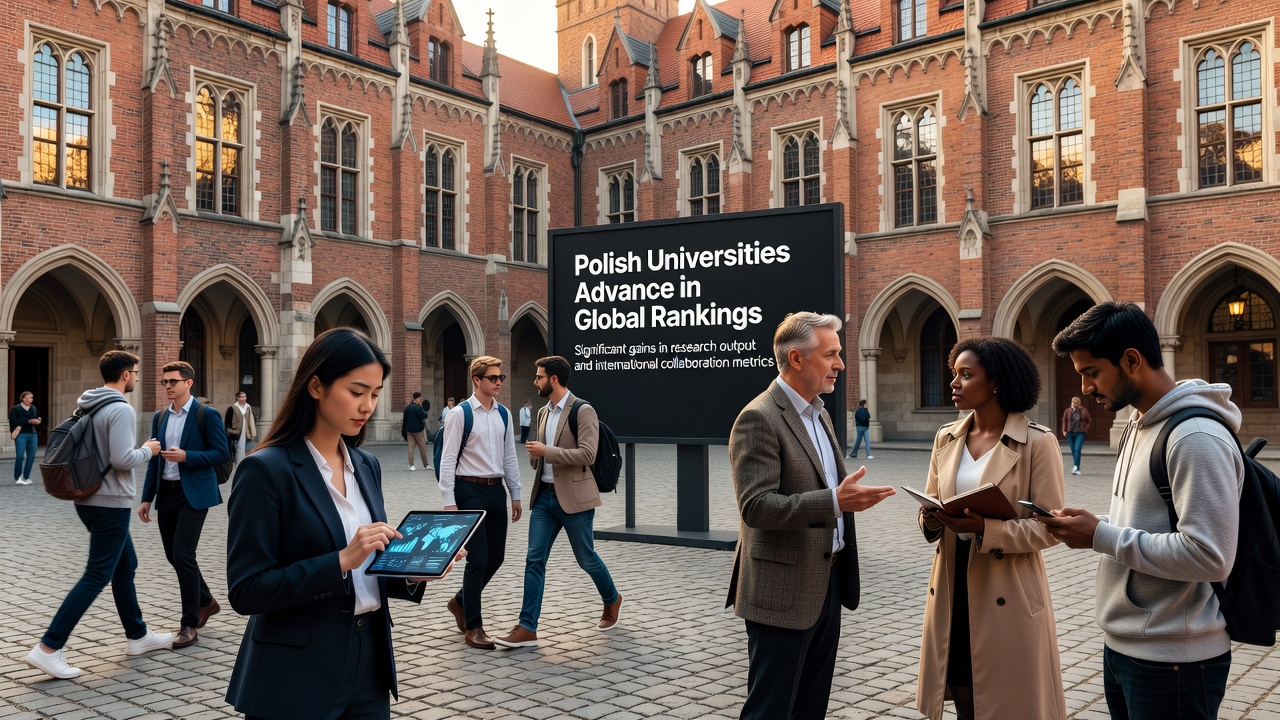
Polish universities have recorded notable gains across major international ranking systems in the latest assessments. The University of Warsaw and Jagiellonian University both improved their positions in the QS World University Rankings and the Times Higher Education World University Rankings. These advances reflect sustained investments in research output, international collaboration, and faculty recruitment. Several other institutions, including the Warsaw University of Technology and AGH University of Science and Technology, also moved upward in subject-specific lists, particularly in engineering and computer science.
Key Drivers Behind the Improvements
Analysts attribute the progress to increased funding from national programs aimed at boosting research excellence. Polish institutions have expanded partnerships with European universities, leading to higher citation rates and more joint publications. Student mobility has grown through Erasmus+ initiatives, enhancing global visibility. Government reforms encouraging performance-based funding have prompted universities to focus on measurable outcomes such as patent filings and industry collaborations. Data from the latest rankings show Polish universities gaining ground in metrics related to research impact and international outlook, though challenges remain in employer reputation scores.
Regional universities outside the largest cities have also contributed to the overall national improvement. Institutions in Poznań, Wrocław, and Gdańsk reported stronger performances in specialized fields including life sciences and social sciences. These gains help diversify Poland’s higher education profile and attract more international students. Enrollment of foreign students has risen steadily, supported by English-taught programs and competitive tuition fees compared with Western Europe.
Implications for Polish Higher Education
The ranking improvements signal growing competitiveness of Polish academia on the global stage. Policymakers view these results as validation of recent strategic investments, yet they emphasize the need for continued support in infrastructure and talent retention. Experts note that maintaining momentum will require addressing demographic declines in domestic student numbers and further strengthening links between academia and industry. Overall, the upward trajectory positions Poland as an emerging destination for quality higher education within the European Union.